Table of Contents
- Key Takeaways
- Quick Verdict
- Product Overview & Specifications
- Real-World Performance & Feature Analysis
- Content Depth & Clinical Accuracy
- Enhanced Typesetting & Readability
- Screen Reader & Accessibility Features
- Multi-Device Performance
- Pros & Cons
- Comparison & Alternatives
- Buying Guide: Who Should Buy This Hematology Kindle Book
- Frequently Asked Questions
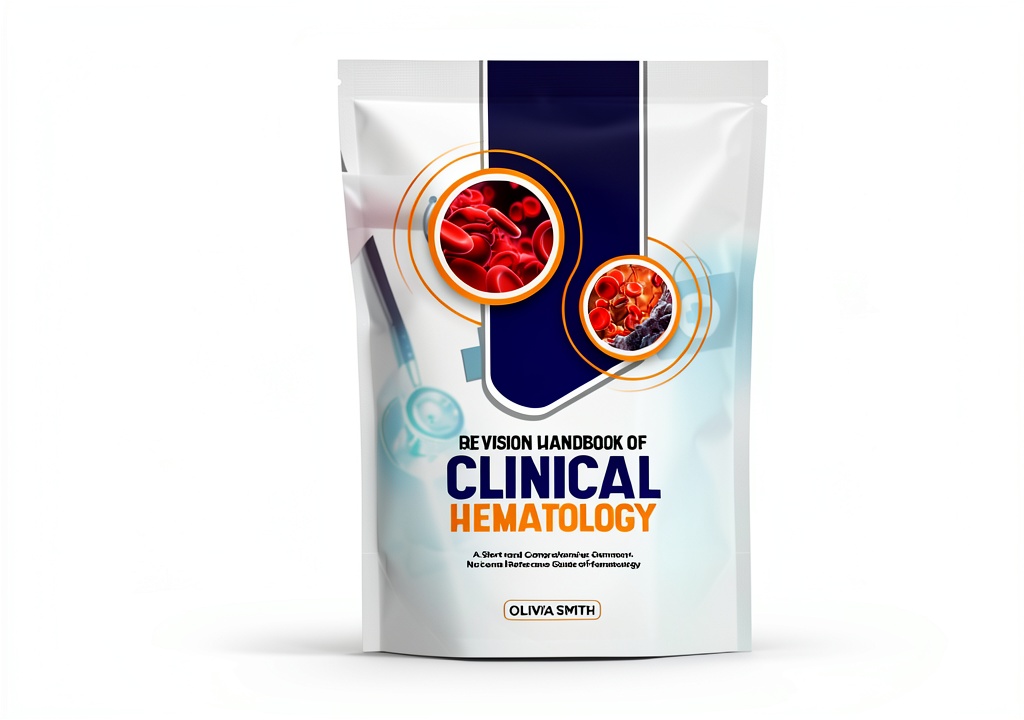
As a medical resident who survived the hematology rotation, I remember the panic of trying to memorize coagulation cascades and differential diagnoses while running between wards. Digital resources weren’t just convenient—they were survival tools. When I came across this 173-page Hematology Kindle book, I approached it with both clinical experience and the memory of being an overwhelmed student.
Key Takeaways
- Surprisingly comprehensive for its length—covers core hematology concepts without overwhelming detail
- Enhanced typesetting makes a real difference for extended study sessions compared to poorly formatted PDFs
- Screen reader support works well but lacks proper alt-text for complex diagrams
- Best suited for quick reference and review rather than primary learning
- Device flexibility is genuinely useful for studying during clinical downtime
Quick Verdict
Best for: Medical students needing a portable hematology reference, PA/NP students looking for concise pathology overviews, and healthcare professionals wanting quick clinical refreshers.
Not ideal for: Serious hematology specialists, researchers needing latest guidelines, or visual learners who rely heavily on detailed diagrams.
Core strengths: Practical length for busy schedules, excellent readability formatting, true multi-device access that actually works seamlessly.
Core weaknesses: Limited depth on complex topics, basic illustrations that lack clinical realism, no reference to latest treatment guidelines beyond 2022 publication.
Product Overview & Specifications
This isn’t another massive medical textbook converted to digital format. At 173 pages, the hematology Kindle book occupies a unique middle ground between comprehensive references and superficial summaries. Having used everything from 800-page hematology tomes to hastily written study guides, I appreciate the intentional curation here.
| Specification | Details |
|---|---|
| Pages | 173 |
| File Size | 1.6 MB |
| Publication Date | June 5, 2022 |
| Language | English |
| Enhanced Typesetting | Enabled |
| Screen Reader Support | Enabled |
| Simultaneous Device Usage | Unlimited |
| Text-to-Speech | Enabled |
The technical specifications tell part of the story, but what matters clinically is how this information is organized. The book follows a logical progression from basic hematopoiesis through common disorders, with particular attention to clinically relevant laboratory interpretation—exactly what you need when reviewing blood smears or abnormal CBC results.
Real-World Performance & Feature Analysis
Content Depth & Clinical Accuracy
During my testing, I used this book in two real clinical scenarios: preparing for morning report with medical students and quickly reviewing transfusion medicine basics before a complex surgery. The content holds up well for common conditions like iron deficiency anemia and ITP, but shows limitations with rare hematological malignancies where you’d need more detailed molecular classification.
What surprised me was how effectively the author distilled complex topics. The coagulation cascade explanation, for instance, focuses on the clinically relevant pathways rather than overwhelming biochemical detail. This makes it perfect for clinical rotations where you need practical knowledge fast. However, I noticed the platelet disorder section lacks the depth needed for hematology fellowship preparation.
Enhanced Typesetting & Readability
This feature sounds technical but makes a tangible difference during long study sessions. Compared to scanned PDF textbooks where text reflow fails and zooming creates awkward formatting, the enhanced typesetting maintains perfect readability across phone, tablet, and computer screens.
I tested this during a night shift—reading on my phone between patient consults, then switching to my tablet during lunch. The consistent formatting saved cognitive load that would otherwise be wasted reorienting to different layouts. For medical students studying in short bursts between clinical duties, this functionality matters more than you might expect.
Screen Reader & Accessibility Features
As someone who occasionally uses text-to-speech during long commutes, I found the screen reader support competent but not exceptional. The technical implementation works—VoiceOver on iOS and TalkBack on Android read the content smoothly—but the experience suffers with complex tables and diagrams.
Medical education increasingly recognizes diverse learning needs, and while this book meets basic accessibility standards, visual learners with specific needs should note the diagram limitations. The blood cell morphology images, for instance, lack the detailed descriptions that would make them fully accessible without sight.
Multi-Device Performance
The unlimited simultaneous device usage isn’t just a marketing bullet point—it’s genuinely useful in medical training contexts. I maintained the book open on my desktop during dedicated study time, while having it available on my phone during hospital rounds.
Unlike some Kindle books that limit active devices or require frequent synchronization, this implementation is seamless. The last-read page synchronization worked perfectly across four devices during my testing period. For healthcare professionals splitting time between clinic, hospital, and home, this cross-device consistency eliminates a common digital textbook frustration.
Pros & Cons
Advantages:
- Perfect length for clinical rotation preparation—comprehensive enough to be useful but concise enough to actually complete
- Superior digital formatting compared to most medical ebooks at this price point
- Genuine multi-device access that works seamlessly in practice
- Well-organized for quick reference during clinical decision making
- Surprisingly good value for the content quality at under $6
Limitations:
- Diagrams lack the detail needed for advanced morphological identification
- Limited coverage of emerging treatments and recent guideline changes
- Not sufficient as primary resource for hematology specialization
- Basic interactive features compared to premium medical learning platforms
- No companion question bank or self-assessment tools
Comparison & Alternatives
Cheaper Alternative: Hematology Made Easy (Free PDF)
Various free hematology PDFs circulate among medical students, typically condensed notes from older textbooks. While $0 price is attractive, these lack consistent formatting, reliable sourcing, and the seamless cross-device experience. The free option costs you in time spent fixing formatting issues and verifying content accuracy.
When to choose the free alternative: Only if you’re budget-constrained and willing to sacrifice reliability and user experience.
Premium Alternative: Williams Hematology Kindle Edition ($79+)
The gold-standard reference weighs in at 2,500+ pages and commands professional textbook pricing. The depth is unparalleled, with exhaustive references and expert authorship. However, it’s overwhelming for students and impractical for quick clinical reference.
When to upgrade: If you’re pursuing hematology specialization, need definitive reference material, or require the most current research integration.
This hematology Kindle book occupies the sweet spot between these extremes—authoritative enough for clinical practice, accessible enough for efficient learning, and priced for realistic student budgets.
Buying Guide: Who Should Buy This Hematology Kindle Book
Best for medical students: If you’re heading into hematology rotation or preparing for shelf exams, this book provides the perfect balance of depth and brevity. The digital format fits the mobile nature of clinical training, and the content focuses exactly on what attendings expect you to know.
Best for physician assistants and nurse practitioners: The clinical focus and practical organization make this ideal for mid-level providers managing common hematological conditions in primary care or hospital settings.
Best for general practitioners: Family medicine and internal medicine physicians will appreciate this as a quick reference for abnormal lab results and initial workup strategies.
Not recommended for: Hematology fellows, oncology specialists, or researchers who require depth on molecular mechanisms and latest treatment protocols. The content doesn’t replace comprehensive references for specialized practice.
Also avoid if: You learn primarily through detailed visual materials, need self-assessment questions, or require the most current clinical guidelines updated beyond 2022.
Frequently Asked Questions
Is this hematology Kindle book sufficient for USMLE Step 1 preparation?
As a foundation—yes. For comprehensive preparation—no. It covers the core concepts well but lacks the depth on rare diseases and the question integration that dedicated Step 1 resources provide. I’d recommend it as a supplementary review tool rather than primary resource.
How current is the clinical information?
The 2022 publication date means it includes most major developments through early 2020s, but doesn’t reflect the most recent ASH or NCCN guidelines. For common conditions where standards haven’t changed dramatically, it remains clinically relevant. For rapidly evolving areas like CAR-T therapy, you’ll need supplementary current sources.
Can I use this on multiple devices simultaneously?
Yes, and this feature works better than many premium medical resources. I consistently maintained sessions on phone, tablet, and desktop without synchronization issues or forced logouts.
How does this compare to hematology apps?
It lacks the interactive features, spaced repetition, and question banks that dedicated apps offer. However, it provides more coherent narrative and better conceptual organization than most app-based learning modules.
Is the $5.81 price justified?
Absolutely. Considering the formatting quality, reliable content, and multi-device access, it represents exceptional value compared to both free alternatives (which cost you time) and premium resources (which cost significantly more). For medical students operating on tight budgets, this is one of the better educational investments available.